Need help with booking? Send us a message.
Experience the legendary Everest Base Camp Trek, a journey through the heart of the Khumbu region featuring dramatic mountain scenery, Sherpa culture, ancient monasteries, and breathtaking Himalayan vistas, culminating at the foot of the world’s highest peak and leaving you with unforgettable memories of adventure and achievement.
Mount Everest
Mount Everest, standing at 8,848.86 meters (29,031.7 feet), is the tallest mountain in the world and a symbol of unparalleled natural grandeur and human endurance. Located in the Mahalangur Himal sub-range of the Himalayas, Everest straddles the border between Nepal and the Tibet Autonomous Region of China. First summited by Sir Edmund Hillary and Tenzing Norgay in 1953, Everest has since become a mecca for mountaineers and trekkers from around the globe, attracting those seeking to challenge their limits and witness the sublime beauty of the world's highest peak.
Family Holidays Nepal: Your Trusted Trekking Partner
Family Holidays Nepal is a leading trekking and travel company dedicated to providing unforgettable Himalayan adventures. With a strong commitment to quality, safety, and personalized service, Family Holidays Nepal offers expertly guided treks that cater to a diverse range of travelers. Their knowledgeable team ensures that every aspect of your journey is handled with care, from meticulous planning to on-the-ground support. Whether you are a seasoned trekker or a first-time adventurer, Family Holidays Nepal’s expert guides and support staff are dedicated to delivering a seamless and enriching experience.
Everest Base Camp Overview
The Everest Base Camp trek is one of the most iconic and sought-after treks in the world. This journey takes you through the heart of the Khumbu region, offering breathtaking views of Mount Everest and the surrounding peaks. The trek typically spans 12 to 16 days, depending on your itinerary, and covers a distance of approximately 130 kilometers (80 miles) round trip. The route leads you through vibrant Sherpa villages, lush forests, and alpine meadows, culminating in a visit to the base camp itself, located at an altitude of 5,364 meters (17,598 feet).
The Everest Base Camp Trek is a legendary journey to the foot of the world’s highest mountain, Mount Everest. This 15-day adventure offers trekkers a unique opportunity to experience the rich culture of the Sherpa people, traverse lush forests and breathtaking landscapes, and walk in the footsteps of famous mountaineers. Starting from the bustling city of Kathmandu, the trek takes you through traditional Sherpa villages, past ancient monasteries, and into the heart of the Himalayas. Along the way, you’ll be rewarded with panoramic views of towering peaks, including Everest, Lhotse, Nuptse, and Ama Dablam. The journey culminates at Everest Base Camp, where you’ll stand at the base of the highest point on Earth, surrounded by some of the most awe-inspiring scenery on the planet.
Best Time for Everest Base Camp Trek
The optimal times to undertake the Everest Base Camp trek are during the pre-monsoon (spring) season, from late March to early June, and the post-monsoon (autumn) season, from late September to early November. During these periods, the weather conditions are generally stable with clear skies and moderate temperatures, offering the best visibility and trekking conditions. Spring is particularly popular for its blooming rhododendrons and mild temperatures, while autumn provides crisp, clear air and less crowded trails.
Level of Difficulty – Everest Base Camp Trek
The Everest Base Camp trek is considered a moderate to challenging trek due to its high altitude and variable weather conditions. While the trek does not require technical climbing skills, it demands good physical fitness, stamina, and mental resilience. The trek involves long days of walking, with daily distances ranging from 5 to 10 kilometers (3 to 6 miles), and altitude gains that can cause physical strain. Proper acclimatization, which is built into the itinerary with acclimation days in key locations like Namche Bazaar and Dingboche, is crucial for a successful trek.
Accommodation and Food
During the trek, Family Holidays Nepal ensures that you stay in comfortable, well-maintained lodges known as teahouses. These lodges offer a warm, welcoming environment with basic amenities such as beds with clean linens, shared bathrooms, and dining areas. The food served at these lodges typically includes a variety of local and international dishes, including dal bhat (a traditional Nepali meal), pasta, noodles, and fresh vegetables. Family Holidays Nepal places a strong emphasis on hygiene and dietary preferences, ensuring that your nutritional needs are met throughout the trek.
Communication and Network
While trekking to Everest Base Camp, connectivity can be limited, but Family Holidays Nepal provides options to stay in touch with the outside world. Many teahouses along the route offer Wi-Fi services for a small fee, though signal strength can vary. For emergencies or critical communication, the guides carry satellite phones to ensure that you remain connected with your support team and can reach out for assistance if needed. Family Holidays Nepal’s guides also keep in touch with their base camp to monitor weather conditions and trek progress.
Why Choose Family Holidays Nepal
Choosing Family Holidays Nepal for your Everest Base Camp trek means opting for an exceptional level of service, expertise, and care. Their team of experienced guides and support staff are dedicated to ensuring a safe, enjoyable, and culturally immersive experience. They offer personalized itineraries tailored to your needs and preferences, and their commitment to responsible tourism ensures that your trek supports local communities and preserves the natural environment. With Family Holidays Nepal, you benefit from a seamless experience that combines adventure, comfort, and cultural exploration.
Best Experience
With Family Holidays Nepal, your Everest Base Camp trek is designed to be a once-in-a-lifetime experience. From the moment you arrive in Kathmandu to your final steps at the base camp, you will be guided by a team that is passionate about delivering the highest standard of service. The combination of expert guidance, thoughtful itineraries, and personal attention ensures that every aspect of your trek is handled with care. The camaraderie of fellow trekkers, the stunning Himalayan vistas, and the personal sense of achievement upon reaching base camp will create lasting memories that you will cherish forever.
Major Attraction Places
Throughout the Everest Base Camp trek, you will encounter several major attractions:
Namche Bazaar: The bustling heart of the Khumbu region, offering vibrant markets and stunning views.
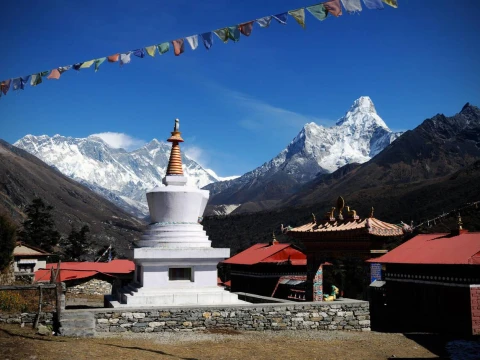
Tengboche Monastery: A significant Buddhist monastery renowned for its serene atmosphere and panoramic views of Everest and other peaks.
Kala Patthar: A renowned vantage point for breathtaking sunrise views over Everest and the surrounding peaks.
Gorak Shep: The final stop before Everest Base Camp, providing spectacular views and the opportunity to visit the historic Everest Base Camp.
Family Holidays Nepal ensures that you experience these highlights and more, providing a trek that is rich in adventure, culture, and natural beauty.
Mode of Trekking: On foot, supported by experienced guides and porters; occasional short flights (Kathmandu–Lukla).
Trekking Grade: Moderate to strenuous; suitable for physically fit and prepared individuals.
Area of Trekking: Solukhumbu region, Khumbu Valley, Sagarmatha National Park, Nepal.
Trekking Permits: Sagarmatha National Park Permit (SNP) and TIMS (Trekkers’ Information Management System) card required.
Highest Points: Kala Patthar (5,545 m / 18,192 ft) and Everest Base Camp (5,364 m / 17,598 ft).
People and Culture: Predominantly Sherpa communities with rich Buddhist traditions, monasteries, and local festivals.
Trekking Duration: 10–11 days of trekking, plus 1–2 days for Kathmandu sightseeing.
Total Trip: Approximately 14–15 days, including flights and acclimatization.
Best Seasons: Pre-monsoon (March–May) for blooming rhododendrons and clear skies; post-monsoon (late September–November) for stable weather and crisp mountain views.
Arrive in Kathmandu and settle in, enjoying the city’s vibrant culture before preparing for the trek. Fly to Lukla and begin the journey through scenic valleys to Phakding, then ascend to the bustling Sherpa hub of Namche Bazaar. Spend a day acclimatizing here, taking short hikes and soaking in panoramic mountain views. Trek onward through rhododendron forests to Tengboche and continue to the alpine landscapes of Dingboche, with another acclimatization day to adjust to higher altitudes. Move past memorials and rugged trails to Lobuche before reaching the iconic Everest Base Camp and overnighting at Gorak Shep. Hike up Kala Patthar for sunrise views of Everest, then descend to Pheriche. Retrace steps through Namche Bazaar back to Lukla for the return flight to Kathmandu, where you can relax and reflect on the adventure before your final departure.
Welcome to Kathmandu, the vibrant capital city of Nepal! Upon your arrival at Tribhuvan International Airport, a representative from Family Holidays Nepal will warmly greet you. You’ll be transferred to your hotel in Thamel, a bustling area known for its lively streets and eclectic mix of shops, restaurants, and cultural landmarks. After check-in, take some time to relax and adjust to the new time zone. In the evening, gather with your fellow trekkers for a welcome dinner where you'll be introduced to the itinerary and get a taste of traditional Nepali cuisine.


 Accommodation Hotel in Kathmandu
  Max. altitude 1,400m / 4,593ft.
 Today is dedicated to exploring Kathmandu’s rich cultural heritage. You’ll visit several UNESCO World Heritage Sites, starting with the Swayambhunath Stupa (Monkey Temple), which offers panoramic views of the city and the Kathmandu Valley. Next, you’ll explore the Boudhanath Stupa, one of the largest stupas in Nepal, where you can witness Tibetan Buddhist rituals. After lunch, you’ll visit the historic Durbar Square, home to ancient palaces and temples. The afternoon will be spent finalizing your trek preparations, including meeting your guide and porters, reviewing your gear, and obtaining any necessary permits. The evening is free for last-minute shopping or rest.
Accommodation Hotel in Kathmandu Max. altitude 1,400m / 4,593ft. An early morning flight from Kathmandu will take you to Lukla, the gateway to the Everest region. The 30-minute flight offers stunning views of the Himalayan landscape, with the thrilling landing at Lukla’s short and steep runway. After disembarking, you’ll meet your trekking team and begin the trek to Phakding. The trail descends gently through lush forests and quaint villages, with views of the surrounding hills and mountains. The trek is relatively easy, allowing you to adjust to the altitude gradually. Upon arrival in Phakding, you’ll settle into your teahouse, where you can enjoy a hot meal and the serene ambiance of the village.
Accommodation Teahouse in Phakding Max. altitude 2,610m / 8,563ft. Today’s trek will take you to Namche Bazaar, the bustling hub of the Khumbu region. The trail follows the Dudh Koshi River before beginning a steep ascent through a series of switchbacks. Along the way, you’ll cross several suspension bridges, including the famous Hillary Suspension Bridge. As you climb higher, you’ll be rewarded with breathtaking views of the snow-capped peaks. Namche Bazaar, nestled in a mountain amphitheater, is a vibrant market town with a variety of shops, cafes, and lodges. After checking into your accommodation, you can explore the town, visit the local monastery, or simply relax and acclimatize.
Accommodation Teahouse in Namche Bazaar Max. altitude 3,440m / 11,286ft. To help your body adjust to the altitude, today is set aside for acclimatization. You’ll explore on a short hike to the Everest View Hotel or the nearby village of Khumjung. The hike offers spectacular views of Mount Everest and other peaks in the region. You’ll also have the opportunity to visit the local monastery and school funded by Sir Edmund Hillary. Returning to Namche, you’ll have the rest of the day free to explore the town, visit the local markets, or rest. Adequate hydration and light activity are key to acclimatizing properly.
Accommodation Teahouse in Namche Bazaar Max. altitude 3,440m / 11,286ft. Your trek today takes you to Tengboche, renowned for its beautiful monastery and spectacular mountain views. The trail leads through lush pine forests and across a series of suspension bridges. As you ascend, you’ll be treated to stunning views of Everest, Lhotse, and Ama Dablam. Upon reaching Tengboche, you’ll visit the famous Tengboche Monastery, an important religious site for the Sherpa community. The monastery offers panoramic views of the surrounding peaks. Spend the night in a teahouse, enjoying the peaceful environment and the majestic Himalayan backdrop.
Accommodation Teahouse in Tengboche Max. altitude 3,860m / 12,664ft. Today’s trek takes you to Dingboche, a charming village with breathtaking views of the surrounding peaks. The trail traverses alpine meadows and crosses the Imja Khola before ascending gradually. As you approach Dingboche, you’ll notice the landscape becoming more barren, with spectacular views of peaks like Island Peak and the northern ridge of Ama Dablam. In Dingboche, you’ll find traditional teahouses and a backdrop of snow-capped peaks. Take the opportunity to explore the village and acclimatize to the higher altitude.
Accommodation Teahouse in Dingboche Max. altitude 4,410m / 14,469ft. Another acclimatization day is crucial for adjusting to the high altitude. You’ll undertake a day hike to Nagarjun Hill or Chhukung Valley. These hikes offer stunning views of Everest, Makalu, and the surrounding peaks. Nagarjun Hill provides a panoramic vista of the entire Everest region, while Chhukung Valley offers a closer look at the surrounding peaks and glaciers. The remainder of the day is free to relax, enjoy the views, and prepare for the trek ahead.
Accommodation Teahouse in Dingboche Max. altitude 4,410m / 14,469ft. Today’s trek will take you to Lobuche, a small settlement located at a higher altitude. The trail follows the Pheriche Valley, passing through a series of small settlements and past stone memorials dedicated to climbers who have perished on Everest. As you approach Lobuche, the landscape becomes increasingly rugged and stark. Lobuche itself offers spectacular views of Nuptse and the surrounding peaks. After settling into your teahouse, you can rest and prepare for the final push to Everest Base Camp.
Accommodation Teahouse in Lobuche Max. altitude 4,940m / 16,207ft. Today is the highlight of your trek as you make your way to Everest Base Camp. The trail from Lobuche to Everest Base Camp is demanding but incredibly rewarding. You’ll pass through the rocky and glacial terrain of the Khumbu Glacier, with views of towering peaks and the rugged glacier itself. Arriving at Everest Base Camp, you’ll be awed by the scale of the camp and the surrounding mountain vistas. After spending time at Base Camp, you’ll continue on to Gorak Shep, where you’ll spend the night in a teahouse.
Accommodation Teahouse in Gorak Shep Max. altitude 5,364m / 17,598ft. An early start is essential for your hike to Kala Patthar, a renowned vantage point that offers some of the best views of Mount Everest and the surrounding peaks. The ascent to Kala Patthar is challenging but rewarding, with breathtaking panoramic views of the Himalayas. After taking in the views and capturing photographs, you’ll return to Gorak Shep for breakfast and then trek back down to Pheriche. The descent offers a welcome break from the high altitude and provides beautiful views of the Khumbu Valley.
Accommodation Teahouse in Pheriche Max. altitude 4,371m / 14,341ft. Today’s trek takes you back to Namche Bazaar, retracing your steps through the Khumbu Valley. The descent from Pheriche to Namche is less strenuous and allows you to appreciate the changing landscape. You’ll cross the same suspension bridges and pass through the same villages you encountered on your way up. Upon reaching Namche Bazaar, you can enjoy the comfort of the town’s lodges and reflect on your journey to Everest Base Camp.
Accommodation Teahouse in Namche Bazaar Max. altitude 3,440m / 11,286ft. On this final day of trekking, you’ll make your way back to Lukla. The trek from Namche Bazaar to Lukla takes about 4 to 5 hours, and you’ll once again enjoy the scenic beauty of the Khumbu region. Upon arrival in Lukla, you’ll have the opportunity to celebrate the completion of your trek with your trekking team. Enjoy a farewell dinner and relax in Lukla, reflecting on the incredible experiences and accomplishments of the past two weeks.
Accommodation Teahouse in Lukla Max. altitude 2,860m / 9,383ft. After breakfast, you’ll take a morning flight from Lukla back to Kathmandu. The flight offers one last chance to admire the breathtaking views of the Himalayas from the air. Upon arrival in Kathmandu, transfer to your hotel and spend the afternoon at your leisure. You might want to explore more of the city, do some shopping, or simply relax and enjoy the comfort of your hotel. In the evening, join a farewell dinner hosted by Family Holidays Nepal to celebrate your successful trek and share stories with your fellow trekkers.
Accommodation Hotel Max. altitude 1,400m / 4,593ft. On your final day, you’ll have time to relax and prepare for your departure. Depending on your flight schedule, you might have some time to do last-minute shopping or sightseeing in Kathmandu. A representative from Family Holidays Nepal will assist you with your transfer to Tribhuvan International Airport for your onward journey. We hope you’ve had an unforgettable adventure and look forward to welcoming you back to Nepal in the future.
Accommodation NA Max. altitude 1,400m / 4,593ft. The trek reaches high altitudes, so proper acclimatization and good physical fitness are essential. Weather can change rapidly, with cold temperatures, snow, and strong winds possible even in the best seasons. Flights to and from Lukla are weather-dependent and may be delayed. Trekkers must carry Sagarmatha National Park and TIMS permits, and travel insurance covering high-altitude trekking and emergency evacuation is mandatory. Tea houses provide basic meals and lodging; electricity, Wi-Fi, and hot showers are limited or extra-cost. Respect local Sherpa culture, monasteries, and traditions, and be prepared for moderate to strenuous trekking over rugged trails. Hydration, layered clothing, and proper gear are crucial for safety and comfort.
Need to Know for Everest Base Camp Trek:


Your Start Date is the day you land in Nepal, and your End Date is when you fly home.
If the set Everest Base Camp Trek group dates don’t suit your schedule, we can offer alternative dates upon request.
Proper layering is important to stay warm and comfortable in changing mountain weather.
Good footwear makes trekking easier and safer.
The right gear keeps you safe, comfortable, and prepared.
Lightweight but important items keep you clean, healthy, and comfortable.
Keep important items safe and easy to reach.
The Everest Base Camp trek was a once-in-a-lifetime experience. The views were breathtaking, and the Sherpa people were incredibly hospitable. Our guide was knowledgeable and made sure we were safe and comfortable throughout the trek. Highly recommend!
This trek was challenging but so rewarding. The scenery was stunning, and reaching Everest Base Camp was an unforgettable moment. The accommodations were comfortable, and the food was great. Our guide and porters were excellent and really made the trip special.
The best time to trek to Everest Base Camp (EBC) is during the pre-monsoon (spring) and post-monsoon (autumn) seasons. These periods offer the most stable weather conditions and clear mountain views.
Spring (March to May) is one of the most popular times for trekking to EBC. The weather is relatively warm, and the rhododendron forests along the trail are in full bloom, adding vibrant colors to the landscape. It is also the season when many mountaineering expeditions attempt to summit Everest, so Base Camp is bustling with activity.
Autumn (September to November), another popular trekking season, autumn offers stable weather, clear skies, and excellent visibility of the mountains. The temperatures are moderate, making it ideal for trekking. This season also sees a high number of trekkers on the trail, and the lodges are open and fully operational.
Trekking during the winter (December to February) is possible but more challenging due to colder temperatures and potential snowfall. The summer monsoon season (June to August) brings heavy rain and cloudy conditions, making it less ideal for trekking.
The Everest Base Camp trek is considered a moderate to challenging trek due to its high altitude and the duration of the trek. Here are some key points regarding the difficulty and requirements:
Altitude: The trek reaches a maximum altitude of 5,545 meters (18,192 feet) at Kala Patthar. Acclimatization is crucial to prevent altitude sickness. The itinerary includes rest days for acclimatization to help your body adjust to the high altitudes gradually
Trekking Hours: Trekkers typically walk 5-7 hours per day. The trail includes steep ascents and descents, rocky paths, and sometimes uneven terrain.
Physical Fitness: A good level of physical fitness is required. Prior trekking experience is beneficial but not mandatory. Regular cardiovascular and endurance training, such as hiking, running, or cycling, in the months leading up to the trek will help prepare you for the journey.
Preparation: It’s important to be mentally prepared for long days of walking and potential challenges posed by the high altitude and varying weather conditions. Having the right gear and being familiar with using it also contributes to a successful trek.
The Everest Base Camp (EBC) Trek is a popular trekking route in the Himalayas of Nepal that takes you to the base camp of the world’s highest peak, Mount Everest. The trek typically begins in Lukla and traverses through the Khumbu region, passing through picturesque Sherpa villages, ancient monasteries, and stunning landscapes. The journey culminates at Everest Base Camp, situated at an altitude of 5,364 meters (17,598 feet), offering breathtaking views of Everest and surrounding peaks.
The Everest Base Camp Trek requires a moderate level of physical fitness. Trekkers should be in good health and have some experience with hiking or trekking. The trek involves walking 5-7 hours daily over varied terrain and ascending to high altitudes. It’s advisable to engage in regular cardiovascular and strength-training exercises before the trek. Consult with a healthcare provider to ensure you are fit for high-altitude trekking.
Environmental conservation is crucial on the Everest Base Camp Trek. Trekkers should practice Leave No Trace principles, such as packing out all trash, using designated toilet facilities, and minimizing impact on natural habitats. Respect local customs and wildlife, and support eco-friendly practices and organizations that promote sustainable tourism in the region.
The return journey from Everest Base Camp follows the same route back to Lukla. While the trek back may seem shorter, it is important to remain vigilant about acclimatization and pacing. The descent offers a chance to revisit scenic spots and enjoy different perspectives of the landscapes. Once in Lukla, you’ll catch a flight back to Kathmandu, where you can relax and reflect on your trekking adventure.
To trek to Everest Base Camp, you will need two main permits:
TIMS Card (Trekkers' Information Management System): This permit ensures the safety and regulation of trekkers. It can be obtained in Kathmandu or Lukla.
Sagarmatha National Park Entry Permit: This permit is required for entering the Sagarmatha National Park, which encompasses Everest Base Camp. It can also be obtained in Kathmandu or at the park entrance.
Accommodation along the Everest Base Camp Trek is primarily in tea houses or lodges. These are basic yet comfortable facilities with a communal dining area. Rooms typically have two single beds with a mattress, pillow, and blanket. Some lodges offer additional amenities such as Wi-Fi, hot showers, and charging facilities for a fee. It’s important to note that amenities can be limited at higher altitudes.
Food along the Everest Base Camp Trek typically consists of traditional Nepalese dishes, as well as international options. Common meals include dal bhat (lentil soup with rice), momo (dumplings), noodles, and a variety of soups and stews. Most lodges offer a menu with vegetarian and non-vegetarian options. It’s important to maintain good hydration and balance your diet to keep your energy levels up during the trek.
Safety on the Everest Base Camp Trek largely depends on proper preparation, awareness of altitude sickness, and adherence to safety guidelines. Acclimatization is crucial to prevent altitude-related issues. Trekkers should follow the recommended pace, stay hydrated, and seek medical attention if symptoms of altitude sickness arise. It is also advisable to trek with a reputable guide or agency who can provide assistance and ensure a safe trekking experience.
While it’s possible to trek independently, many trekkers opt for guided tours for added safety and convenience. Guided tours provide local expertise, logistical support, and assistance with permits and accommodation. A reputable guide or trekking agency can enhance the overall experience, ensure proper acclimatization, and offer support in case of emergencies.




 (2)
(2)  100% recommend (0)
 (0)
(0)