

Nagarkot is a scenic hill station located approximately 32 kilometers east of Kathmandu, Nepal's capital city. Situated at an elevation of about 2,195 meters, it offers a panoramic view of the Kathmandu Valley and the surrounding Himalayan ranges. Known for its tranquil environment and stunning natural beauty, Nagarkot is a popular destination for those seeking a peaceful retreat from the hustle and bustle of city life. The area is renowned for its pleasant climate, lush forests, and the spectacular views of snow-capped peaks that can be seen from various vantage points.The charm of Nagarkot lies in its blend of natural beauty and cultural experiences. Visitors can explore the surrounding hills, take leisurely walks through the forested areas, or visit local villages to experience traditional Nepali culture. The region's diverse flora and fauna, along with its serene atmosphere, make it an ideal spot for nature lovers and those looking to enjoy a relaxed getaway. Nagarkot's close proximity to Kathmandu makes it an accessible destination for a short but enriching escape into the Himalayas.Best View for NagarkotNagarkot is renowned for its stunning views of the Himalayas, particularly the Langtang and Ganesh Himal ranges. The best vantage points for these views are strategically located around the hill station, providing breathtaking panoramas at different times of the day. One of the most popular spots is the Nagarkot View Tower, which offers a 360-degree view of the surrounding landscape. From this tower, visitors can enjoy a sweeping vista of the snow-capped peaks, especially during sunrise and sunset, when the mountains are bathed in a golden hue.Another excellent viewpoint is the area surrounding the Nagarkot Nature Trail, which offers a more tranquil setting for viewing the majestic Himalayas. The clear skies and elevated position of Nagarkot provide unobstructed views of the distant peaks, making it a favorite spot for photographers and nature enthusiasts. Whether you're looking to capture the beauty of the sunrise or simply soak in the panoramic views, Nagarkot's various viewpoints offer some of the most spectacular scenery in the region.Nagarkot Sunrise OverviewThe Nagarkot Sunrise Tour is renowned for its breathtaking sunrise views over the Himalayan mountain range. As dawn breaks, the early morning light casts a magical glow over the snow-capped peaks, creating a spectacular display of colors that change from pink and orange to gold and white. The experience of watching the sun rise over the mountains, with the Kathmandu Valley and its surrounding landscapes slowly emerging from the darkness, is both awe-inspiring and serene.The sunrise is best viewed from the Nagarkot View Tower or other elevated spots around the area, where the panoramic vistas of the Himalayas are most striking. This early morning spectacle is a major draw for visitors, offering a memorable start to the day and a unique opportunity to experience the natural beauty of the region in its most pristine state. The Nagarkot Sunrise Tour is particularly popular among photographers and nature lovers who seek to capture the stunning beauty of the Himalayas as the first light of day touches their peaks.Nagarkot from KathmanduReaching Nagarkot from Kathmandu is both convenient and straightforward. The journey covers a distance of approximately 32 kilometers and typically takes around 1.5 to 2 hours by road, depending on traffic and road conditions. Several transportation options are available, including private vehicles, taxis, and local buses. Private car rentals or guided tours offer a more comfortable and personalized experience, allowing visitors to enjoy the scenic drive through lush countryside and quaint villages along the way.The drive from Kathmandu to Nagarkot offers glimpses of the rural landscape and the chance to observe local life, making the journey itself a part of the experience. The route is relatively easy to navigate, and the roads are well-maintained, though some sections may be winding due to the hilly terrain. Upon arrival, visitors are greeted by the serene atmosphere and breathtaking views that characterize Nagarkot, providing a refreshing contrast to the bustling city life of Kathmandu.Best Time for Nagarkot Sunrise TourThe best time for the Nagarkot Sunrise Tour is during the clear weather months of autumn and spring, typically from September to November and from March to May. During these periods, the weather is generally stable, with minimal rainfall and clear skies, providing optimal conditions for viewing the sunrise and the majestic Himalayan peaks. The crisp morning air and clear visibility enhance the overall experience, making it ideal for photography and enjoying the panoramic vistas.Winter months can also offer clear views, but the weather can be colder and foggy conditions might occasionally obscure the sunrise. Summer monsoon season, from June to August, is generally less favorable due to frequent rains and cloud cover that can obstruct the views. For the best experience, it is advisable to check the local weather forecasts and plan your visit during the peak viewing seasons to ensure you witness the stunning sunrise in all its glory.Communication and NetworkNagarkot is well-connected to Kathmandu, and most visitors will find reliable communication and network services during their stay. Mobile phone coverage in Nagarkot is generally good, with major Nepali telecom providers such as Ncell and Nepal Telecom offering strong signals in the area. Visitors can use their mobile phones to stay in touch with friends and family or access the internet if needed.Several hotels and guesthouses in Nagarkot offer Wi-Fi services, although the speed and reliability can vary depending on the location and the provider. For those who need a stronger internet connection or more consistent network access, it is advisable to check with their accommodation in advance to ensure their needs are met. Overall, while Nagarkot is a more tranquil and less developed area compared to Kathmandu, the essential communication and network services are generally available and adequate for most visitors.Accommodation and FoodNagarkot offers a range of accommodation options to suit various preferences and budgets, from luxury hotels to budget guesthouses. Many of the hotels and lodges are designed to provide guests with stunning views of the Himalayas and comfortable amenities. Options include well-established hotels with modern facilities, as well as more modest lodgings that offer a cozy and welcoming atmosphere. Some of the higher-end hotels feature amenities such as rooftop terraces, where guests can enjoy panoramic views while relaxing.Food in Nagarkot is typically diverse, with a focus on traditional Nepali cuisine. Many accommodations have in-house restaurants that serve a variety of dishes, including local specialties like momos (dumplings), dal bhat (lentil soup with rice), and other regional favorites. Additionally, there are several local eateries and cafes where visitors can sample both traditional Nepali dishes and international cuisine. The emphasis is often on fresh, locally sourced ingredients, providing a taste of authentic flavors amidst the serene surroundings of Nagarkot. Whether staying in a luxury hotel or a simple guesthouse, visitors can expect to enjoy a satisfying culinary experience during their stay.Why Choose Us – Family Holidays NepalFamily Holidays Nepal is dedicated to providing exceptional travel experiences tailored to your needs, ensuring that every aspect of your Nagarkot Sunrise Tour is handled with care and expertise. Our team of experienced professionals is committed to delivering personalized service, from arranging comfortable accommodations to organizing seamless transportation. We prioritize customer satisfaction and aim to make your journey as enjoyable and stress-free as possible.We pride ourselves on our deep knowledge of Nepal’s diverse destinations and our ability to offer unique and enriching experiences. Our focus on safety, reliability, and responsible tourism ensures that you receive the highest quality service while supporting local communities and minimizing environmental impact. By choosing Family Holidays Nepal, you can trust that your Nagarkot Sunrise Tour will be thoughtfully planned and expertly executed, providing you with a memorable and rewarding adventure in one of Nepal’s most picturesque locations.

The UNESCO World Heritage Sightseeing Tour in Kathmandu, offered by Family Holidays Nepal, provides an unforgettable journey through the rich cultural and historical tapestry of Nepal’s capital. Kathmandu Valley is a treasure trove of ancient architecture, sacred temples, stupas, and royal palaces, all of which reflect centuries of religious, artistic, and cultural heritage. This full-day tour brings together seven UNESCO World Heritage Sites, allowing travelers to immerse themselves in both Hindu and Buddhist traditions while exploring some of the most iconic landmarks in Nepal.The tour begins with a hotel pickup in Kathmandu in a comfortable vehicle, ensuring convenience and a relaxed start to the day. From there, guests are guided through bustling streets, serene hilltop stupas, and centuries-old squares that reveal the valley’s fascinating history. Each site is carefully selected to showcase unique artistry, spiritual significance, and the vibrant life of local communities. With knowledgeable guides from Family Holidays Nepal, travelers gain insights into the architectural marvels, legends, and cultural practices that define Kathmandu’s heritage.Kathmandu Durbar Square – Royal palaces, temples, and courtyardsSwayambhunath Stupa (Monkey Temple) – Hilltop stupa with panoramic valley viewsPashupatinath Temple – Sacred Hindu temple on the Bagmati RiverBoudhanath Stupa – One of the largest Tibetan Buddhist stupasPatan Durbar Square – Intricate Newari architecture and ancient templesBhaktapur Durbar Square – Medieval square with 55-Window Palace and cultural heritageChangunarayan Temple – Ancient Hindu temple dedicated to Lord VishnuKathmandu Durbar SquareKathmandu Durbar Square, located in the city’s historic center, is a vibrant UNESCO World Heritage Site reflecting Nepal’s royal and religious past. The square was once the palace complex of the Malla kings and showcases magnificent palaces, temples, and courtyards. Among its most notable landmarks are the Hanuman Dhoka Palace, the Taleju Temple, and the Kumari Ghar, home to the living goddess Kumari—a revered figure in the city’s Hindu traditions.The square is renowned for its intricate wood carvings, statues, and painted facades, which demonstrate the artistic brilliance of Nepalese craftsmen. Visitors can witness daily life, festivals, and traditional ceremonies unfolding in this bustling cultural hub. The combination of historic architecture and vibrant street life makes Kathmandu Durbar Square an essential introduction to the city’s rich heritage.Highlights:Hanuman Dhoka PalaceKumari Ghar (Residence of the Living Goddess)Taleju TempleTraditional festivals and cultural lifePashupatinath TempleLocated along the sacred Bagmati River, Pashupatinath Temple is Nepal’s most important Hindu pilgrimage site. Dedicated to Lord Shiva, it is a center of worship for devotees from across Nepal and India. The temple complex features richly adorned pagoda-style architecture, smaller shrines, and ashrams, reflecting centuries of religious tradition and devotion.The sacred river adds spiritual depth, as its ghats are used for ritual cremations. Visitors can observe ceremonies such as the evening Aarti, where chanting, incense, and the lighting of oil lamps create a powerful spiritual atmosphere. Pashupatinath offers both serene reflection and lively religious activity, giving travelers a profound insight into Hindu worship practices.Highlights:Pagoda-style architecture and shrinesRitual cremations along Bagmati RiverEvening Aarti ceremonySpiritual and cultural immersionBoudhanath StupaBoudhanath Stupa, located about 11 km from central Kathmandu, is one of Nepal’s largest stupas and a hub of Tibetan Buddhist culture. The stupa’s colossal white dome and golden spire, featuring Buddha’s all-seeing eyes, dominate the surrounding area. Pilgrims perform kora (circumambulation), spin prayer wheels, and chant mantras as part of daily rituals.The stupa is surrounded by monasteries, temples, and bustling markets selling traditional Tibetan crafts, prayer flags, and souvenirs. Its serene atmosphere combined with spiritual devotion provides visitors with a deep sense of Buddhist culture and tradition. Boudhanath is both a visual and spiritual landmark of Kathmandu Valley.Highlights:Colossal white dome and golden spireTibetan monasteries and shopsRitual circumambulation (kora)Spiritual and cultural hubSwayambhunath Stupa (Monkey Temple)Perched atop a hill, Swayambhunath Stupa offers panoramic views of Kathmandu and is one of Nepal’s most iconic religious sites. Known as the Monkey Temple due to its resident monkeys, the stupa’s white dome, golden spire, and all-seeing Buddha eyes make it instantly recognizable. Smaller stupas, shrines, and monasteries surround the main stupa, creating a rich spiritual complex.Visitors ascend a long series of steps to reach the stupa, passing prayer wheels and statues along the way. The hilltop location provides both a serene environment and spectacular views of the valley, making it an ideal spot for photography and reflection. The presence of monkeys adds charm and liveliness, while the religious rituals offer insight into Buddhist practice.Highlights:Panoramic Kathmandu Valley viewsGolden spire and Buddha eyesPrayer wheels and surrounding shrinesResident monkeys and spiritual ambiancePatan Durbar SquarePatan Durbar Square, in the city of Lalitpur, is a UNESCO World Heritage Site known for its extraordinary Newari architecture. The square features palaces, pagoda-style temples, and courtyards adorned with intricate wood carvings. Key highlights include the Hiranya Varna Mahavihar (Golden Temple), the Mahabouddha Temple, and the ancient Royal Palace.The square remains an active cultural and religious center, where ceremonies, festivals, and daily rituals take place. Visitors can also explore the Patan Museum, which houses a rich collection of religious artifacts and art. Patan Durbar Square provides a deep dive into Nepalese craftsmanship and historical legacy.Highlights:Golden Temple (Hiranya Varna Mahavihar)Mahabouddha TempleNewari palaces and courtyardsPatan Museum and cultural exhibitionsBhaktapur Durbar SquareBhaktapur Durbar Square, in the medieval city of Bhaktapur, reflects the grandeur of the Malla era. The square is home to the 55-Window Palace, Vatsala Temple, and the famous Golden Gate. Visitors can admire intricate woodwork, stone sculptures, and well-preserved palaces, all of which highlight traditional Newari craftsmanship.Bhaktapur is a living heritage city, with vibrant markets, traditional crafts, and local festivals adding to the cultural experience. Sampling local delicacies like juju dhau (king curd) and exploring artisans’ workshops provide travelers with a fully immersive encounter with Newari culture.Highlights:55-Window Palace and Vatsala TempleGolden GateTraditional Newari crafts and cuisineMedieval architecture and vibrant festivalsChangunarayan TempleChangunarayan Temple, one of Nepal’s oldest Hindu temples, is located about 22 km east of Kathmandu. Dedicated to Lord Vishnu, the temple is set on a hilltop overlooking the Kathmandu Valley. Its complex includes intricately carved wood and stone sculptures, multiple shrines, and ancient inscriptions that showcase its historical and religious significance.The serene hilltop setting provides breathtaking views of the valley, making it a peaceful end to the day-long tour. Changunarayan continues to host festivals and rituals, preserving its ancient traditions. The temple is an essential destination for understanding Nepal’s early Hindu heritage and architectural excellence.Highlights:An ancient Hindu temple dedicated to Lord VishnuHilltop location with panoramic valley viewsIntricate wood and stone carvingsActive site for rituals and festivalsThis comprehensive UNESCO World Heritage Sightseeing Tour in Kathmandu, curated by Family Holidays Nepal, offers travelers a full day of cultural immersion, architectural marvels, and spiritual discovery, covering seven of Kathmandu Valley’s most iconic and historically significant sites.

Chitwan, located in the lush southern Terai plains of Nepal, is a destination celebrated for its rich biodiversity, vibrant culture, and scenic landscapes. Unlike the mountainous regions of Nepal, Chitwan features flat grasslands, tropical forests, and winding rivers, creating an ideal environment for wildlife to thrive. This subtropical region experiences warm temperatures year-round, which, combined with its fertile land and abundant water sources, supports a diverse range of flora and fauna. Chitwan is widely recognized as the gateway to Chitwan National Park, one of South Asia’s most renowned wildlife sanctuaries, making it a perfect destination for travelers seeking both adventure and nature.The town of Chitwan offers more than just access to wildlife. The region is home to the Tharu community, an indigenous group with a rich cultural heritage. Visitors have the opportunity to interact with locals, experience traditional dances, and learn about unique customs that have been preserved for generations. Chitwan’s vibrant markets, scenic rivers, and cozy lodges create an inviting atmosphere for tourists seeking both relaxation and adventure. Its proximity to major cities like Kathmandu makes it an easily accessible destination for both domestic and international travelers.Tropical and subtropical landscapes with rich biodiversityCultural interactions with the Tharu communityAccessible location for travelers from KathmanduOpportunities for adventure, wildlife observation, and photographyThe Chitwan Wildlife Adventure Tour with Family Holidays Nepal allows travelers to immerse themselves in both the natural and cultural richness of this unique region, promising unforgettable experiences amid breathtaking scenery.Chitwan National ParkChitwan National Park, a UNESCO World Heritage Site since 1984, was established in 1973 and remains Nepal’s first national park. Spanning approximately 932 square kilometers, the park is a haven for endangered species such as the Bengal tiger, one-horned rhinoceros, and Asiatic elephant. Its diverse ecosystems include tropical and subtropical forests, grasslands, and riverine habitats, supporting over 600 species of wildlife and hundreds of bird species. This incredible biodiversity makes the park a premier destination for wildlife enthusiasts, nature photographers, and eco-tourists.Visitors to Chitwan National Park can explore its natural wonders through a variety of activities. Jeep safaris allow travelers to traverse deeper into the park and spot elusive animals in their natural environment. Jungle walks with experienced guides provide an intimate perspective of the forest and its inhabitants, while canoe rides along rivers reveal aquatic wildlife, including gharial crocodiles and numerous waterfowl species. The park also hosts conservation programs aimed at protecting endangered species, allowing tourists to learn about the vital role Chitwan plays in preserving Nepal’s natural heritage.Highlights of Chitwan National Park:Home to endangered species: Bengal tiger, one-horned rhinoceros, and Asiatic elephantsDiverse ecosystems: forests, grasslands, and riverine habitatsActivities: jeep safaris, jungle walks, canoe rides, birdwatchingConservation and educational programsFamily Holidays Nepal ensures that visitors enjoy an organized and immersive wildlife experience, combining adventure with education, and offering unforgettable encounters with nature at its most pristine.Best Time for Chitwan National Park TourThe best time to visit Chitwan National Park is during the cooler and drier months from October to March. During this period, the weather is pleasant, with temperatures ranging from 15 to 25 degrees Celsius, and the dry season makes wildlife spotting more accessible. The lower vegetation during these months improves visibility, increasing the chances of seeing animals such as rhinos, tigers, and various deer species. Additionally, the cooler temperatures make outdoor activities such as safaris and jungle treks more comfortable.The monsoon season, from June to September, brings heavy rains and high humidity, which can make travel challenging and reduce wildlife visibility due to the lush vegetation. The summer months, from April to June, can be quite hot, with temperatures often exceeding 30 degrees Celsius, but this period can still offer good wildlife viewing opportunities as animals congregate around water sources. Overall, visiting during the cooler months provides the most favorable conditions for exploring Chitwan National Park and maximizing your wildlife adventure experience.Communication and NetworkChitwan, while more remote than Kathmandu, generally offers reliable communication and network services. Mobile phone coverage is available throughout the region, with major Nepali telecom providers such as Ncell and Nepal Telecom offering good signal strength in most areas. This ensures that visitors can stay connected with friends and family, make phone calls, and use mobile data services during their stay.Many hotels and lodges in Chitwan also provide Wi-Fi access, though the speed and reliability can vary depending on the location and the provider. It is advisable to check with your accommodation in advance regarding their internet facilities if you require a stable connection for work or personal use. Despite its more rural setting, Chitwan’s communication infrastructure supports essential connectivity needs, allowing visitors to enjoy their wildlife adventure while staying in touch with the outside world.Accommodation and FoodChitwan offers a range of accommodation options catering to different preferences and budgets, from luxury lodges and resorts to more modest guesthouses and hotels. Many lodges and resorts are situated on the edge of the national park, providing easy access to wildlife activities and beautiful views of the surrounding landscapes. These accommodations often feature comfortable rooms, modern amenities, and facilities such as swimming pools and spa services, designed to enhance the overall experience.Food in Chitwan reflects the diverse culinary traditions of the region. Many accommodations have in-house restaurants that serve a variety of dishes, including local Nepali cuisine, which often features fresh and flavorful ingredients. Popular dishes include dal bhat (lentil soup with rice), momos (dumplings), and curry. Additionally, some lodges offer international cuisine to cater to diverse tastes. Dining in Chitwan provides an opportunity to enjoy delicious meals while immersing yourself in the local culture and natural beauty.Why Choose Us – Family Holidays NepalFamily Holidays Nepal is committed to providing a memorable and enriching Chitwan Wildlife Adventure Tour tailored to your specific interests and needs. Our experienced team ensures that every detail of your trip is meticulously planned, from arranging comfortable accommodations to organizing exciting wildlife safaris and activities. We prioritize your safety, comfort, and satisfaction, providing a seamless and enjoyable experience throughout your journey.By choosing Family Holidays Nepal, you benefit from our deep knowledge of the region, our focus on responsible and sustainable tourism, and our commitment to exceptional service. We work closely with local guides and conservation experts to enhance your experience and support the preservation of Chitwan’s unique natural heritage. Our personalized approach ensures that you have the best possible experience, whether you’re exploring the rich wildlife of Chitwan National Park or enjoying the local culture and cuisine. Let us help you create unforgettable memories on your wildlife adventure in Chitwan.

The Trishuli River is one of Nepal’s most popular and scenic white-water rafting destinations, attracting both adventure enthusiasts and nature lovers. Originating from the glaciers of the central Himalayan region, it flows southward through winding valleys, terraced fields, and quaint villages before joining the Gandaki River. Its clear, fast-flowing waters and a mix of class II to III rapids make it perfect for a thrilling yet safe rafting experience. The river offers a combination of excitement and natural beauty, ensuring that each moment on the water is both adventurous and visually captivating.As you raft along the Trishuli, you’ll be surrounded by lush green hills, dense forests, and dramatic riverbanks, which change character along the journey. The river valley also provides glimpses into rural Nepali life, with farmers working in terraced fields and children playing along the river’s edge. Beyond the adventure, the Trishuli River allows travelers to connect with Nepal’s pristine landscapes and traditional villages in a way that few other activities can match.Ideal for beginners and intermediate raftersClass II and III rapids for a balanced adventureScenic riverbanks with lush greenery and wildlifeOpportunities to observe traditional Nepali village lifeTrishuli River Rafting with Family Holidays NepalTrishuli River Rafting is an unforgettable day-long adventure, expertly organized by Family Holidays Nepal. The experience begins with a morning pickup from your hotel in Kathmandu or Pokhara, followed by a scenic drive to the rafting put-in point. Along the way, travelers pass through picturesque landscapes, terraced fields, and local villages, building excitement for the adventure ahead. Upon arrival, professional guides provide a detailed safety briefing, instruct participants on paddling techniques, and equip everyone with helmets and life jackets to ensure a safe and enjoyable journey.The rafting adventure itself combines thrilling rapids with stretches of calm water, offering both adrenaline and relaxation. Rafters navigate rapids such as “Ladies Delight” and “Upset,” guided by experienced instructors who ensure safety and provide tips for effective paddling. Between the rapids, travelers can pause to appreciate the serene surroundings, take photos, and enjoy the natural beauty of the river. A riverside lunch midway through the journey adds a moment of rest and camaraderie, allowing participants to refuel and share their excitement.After completing the rafting segment, travelers return to their vehicle for the drive back to Kathmandu or Pokhara, reflecting on the adventure and enjoying the surrounding countryside one last time. Family Holidays Nepal ensures a seamless and well-organized experience, making Trishuli River Rafting an ideal choice for those seeking both thrill and beauty.Highlights of the Rafting Experience:Professional guides and safety instructionsA combination of class II and III rapidsScenic riverside lunch breakSuitable for all ages and skill levelsOpportunity to experience rural Nepali culture along the riverBest Time for Trishuli River RaftingThe best time for Trishuli River Rafting is during the dry seasons from September to November and from March to May. During these months, the water levels are ideal for rafting, offering a mix of challenging rapids and manageable flows. The weather is generally pleasant, with clear skies and moderate temperatures, making it a comfortable and enjoyable time to be on the river.The monsoon season, from June to August, brings heavy rainfall, which can lead to high water levels and increased river flow, making the rapids more intense and potentially hazardous. Winter months, from December to February, can be quite cold, especially in the early mornings and evenings, though the water levels during this time are generally stable. Overall, the pre-monsoon and post-monsoon periods provide the most favorable conditions for a memorable and safe rafting experience on the Trishuli River.Communication and NetworkWhile the Trishuli River rafting area is more remote compared to urban centers, it generally offers reliable communication and network services. Mobile phone coverage is available in the vicinity of the river, with major Nepali telecom providers like Ncell and Nepal Telecom providing good signal strength. This ensures that visitors can stay connected for phone calls, text messages, and mobile data usage during their rafting adventure.Most rafting companies and accommodations along the Trishuli River provide basic communication facilities, though the quality and reliability of internet services may vary. It is advisable to check with your rafting operator or accommodation regarding the availability of Wi-Fi or other communication facilities if you require a stable connection for work or personal use. Despite its more rural setting, the essential connectivity needs are generally well-supported in the Trishuli River area.Accommodation and FoodAccommodation options near the Trishuli River cater to a range of preferences and budgets, from basic lodges and guesthouses to more comfortable resorts. Many accommodations are located along the riverbanks, offering scenic views and easy access to the rafting departure points. These lodges often provide amenities such as clean rooms, comfortable beds, and basic facilities to ensure a pleasant stay before or after your rafting adventure.Food in the Trishuli River area typically includes a mix of local and international cuisine, with many lodges offering meals that feature traditional Nepali dishes such as dal bhat (lentil soup with rice), momos (dumplings), and curry. Some accommodations may also offer international options to cater to diverse tastes. Dining in the area provides an opportunity to enjoy delicious meals made with fresh, locally sourced ingredients while taking in the natural beauty of the river and its surroundings.Why Choose Us – Family Holidays NepalFamily Holidays Nepal is dedicated to providing an exceptional Trishuli River Rafting experience tailored to your needs and preferences. Our team of experienced professionals ensures that every aspect of your rafting adventure is meticulously planned, from arranging safety equipment and experienced guides to coordinating comfortable accommodations and delicious meals. We prioritize your safety and satisfaction, delivering a seamless and enjoyable experience on the Trishuli River.By choosing Family Holidays Nepal, you benefit from our extensive knowledge of the region, our commitment to responsible and sustainable tourism, and our focus on exceptional service. We work closely with local rafting operators and guides to enhance your experience and ensure that you have a thrilling and memorable adventure. Let us help you create unforgettable memories on your Trishuli River Rafting journey, providing you with an exhilarating and well-organized adventure in one of Nepal’s most exciting white-water destinations.
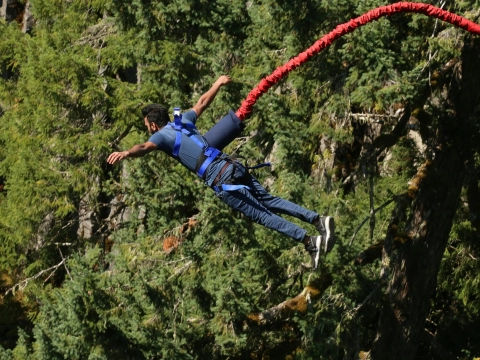
Combining bungee jumping with Bhote Koshi River rafting is an exhilarating way to experience the thrill of adventure sports in Nepal. Organized by Family Holidays Nepal, Bhote Koshi Bungee Jumping is one of the most electrifying experiences for thrill-seekers. Located near the small town of Jiri, this bungee jump is set on a suspension bridge over the roaring Bhote Koshi River, offering a staggering freefall from 160 meters (524 feet)—one of the highest in the world. The breathtaking views of the lush river valley, dense forests, and the surrounding Himalayan mountains make this adventure both scenic and adrenaline-charged.Before the jump, professional instructors provide a comprehensive safety briefing, ensuring all equipment is securely fitted and all precautions are taken. Participants are guided step by step, from harnessing to stepping off the platform, making the experience thrilling yet safe. The moment you leap off the bridge, the combination of freefall and rebound gives an unforgettable surge of adrenaline, leaving you with an overwhelming sense of achievement. For anyone visiting Nepal with a love for adventure, Bhote Koshi Bungee Jumping is an absolute must-do activity.Freefall from 160 meters over the Bhote Koshi River.Scenic Himalayan views and lush river valley landscapes.Professionally guided and safety-focused experience.Heart-pounding thrill for adventure enthusiasts.Ideal for pairing with white-water rafting for a full adventure day.Bhote Koshi River RaftingThe Bhote Koshi River is one of Nepal’s most exciting rivers for white-water rafting. Known for its class IV and V rapids, the river promises an adrenaline-filled ride through deep gorges, steep valleys, and pristine natural surroundings. Originating from Tibet and flowing into the Sun Koshi River, the Bhote Koshi cuts through rugged Himalayan terrain, creating dramatic waterfalls, turbulent currents, and narrow river channels. With Family Holidays Nepal, participants receive professional guidance, top-quality equipment, and a thrilling yet safe rafting experience, making it suitable for both experienced rafters and adventurous beginners.Rafting trips typically last a full day, starting with a safety briefing and equipment fitting, followed by an exhilarating ride down the river. Rafters navigate challenging rapids such as “Power House” and “Waltzing Matilda,” testing their teamwork and river skills while enjoying the breathtaking scenery. The surrounding forests, cliffs, and occasional glimpses of wildlife enhance the adventure, providing a perfect mix of adrenaline and natural beauty. Bhote Koshi River Rafting is a high-energy, unforgettable experience that combines skill, courage, and awe-inspiring Himalayan landscapes.Highlights of Bhote Koshi River Rafting:Navigate thrilling class IV–V rapids on the Bhote Koshi River.Full-day adventure with professional guides and safety briefings.Stunning river valley and Himalayan scenery along the route.Exciting combination of teamwork, skill, and adrenaline.Perfect complement to a bungee jumping adventure for a complete action-packed day.Best Time for Bhote Koshi River RaftingThe best time for Bhote Koshi River Rafting is during the dry seasons from September to November and from March to May. During these periods, the water levels are ideal for rafting, providing a good balance of challenging rapids and manageable flows. The weather is generally pleasant, with clear skies and moderate temperatures, enhancing the overall experience of navigating the river’s rapids.The monsoon season, from June to August, brings heavy rainfall and high water levels, which can increase the intensity of the rapids and pose additional challenges. The winter months, from December to February, can be quite cold, but the river’s water levels remain relatively stable. Overall, the pre-monsoon and post-monsoon months offer the most favorable conditions for an exciting and safe rafting experience on the Bhote Koshi River.Communication and NetworkThe Bhote Koshi River area, while more remote than major urban centers, generally offers reliable communication and network services. Mobile phone coverage is available along the river, with major Nepali telecom providers such as Ncell and Nepal Telecom providing good signal strength. This ensures that visitors can stay connected for phone calls, text messages, and mobile data usage during their adventure activities.Many rafting and bungee jumping operators in the Bhote Koshi region offer basic communication facilities, though the quality and reliability of internet services may vary. It is advisable to check with your service providers or accommodations regarding the availability of Wi-Fi or other communication facilities if you need a stable connection for work or personal use. Despite its more remote location, essential connectivity needs are generally well-supported in the Bhote Koshi River area.Accommodation and FoodAccommodation options near the Bhote Koshi River range from basic lodges and guesthouses to more comfortable riverside resorts. Many of these accommodations are strategically located to provide easy access to the river for activities like rafting and bungee jumping. The lodges typically offer clean and comfortable rooms, basic amenities, and scenic views of the river and surrounding landscapes.Food in the Bhote Koshi River area generally includes a mix of local Nepali cuisine and international dishes. Many lodges have in-house restaurants that serve traditional dishes such as dal bhat (lentil soup with rice), momos (dumplings), and curry, as well as options to suit various tastes. Dining in the area offers an opportunity to enjoy fresh, locally sourced ingredients while taking in the beautiful natural surroundings. The combination of comfortable accommodations and tasty meals ensures a pleasant and satisfying stay during your adventure activities.Why Choose Us – Family Holidays NepalFamily Holidays Nepal is dedicated to providing a seamless and unforgettable experience for your Bhote Koshi River Rafting and Bungee Jumping adventure. Our experienced team ensures every aspect of your trip is meticulously planned, from arranging thrilling bungee jumps and exciting rafting trips to coordinating comfortable accommodations and delicious meals. We prioritize your safety, comfort, and enjoyment, delivering a well-organized and exhilarating experience.By choosing Family Holidays Nepal, you benefit from our extensive knowledge of the region, our commitment to responsible tourism, and our focus on exceptional service. We work closely with local guides and adventure operators to enhance your experience and ensure that you have a memorable and exciting adventure. Let us help you create unforgettable memories with our expertly arranged Bhote Koshi River Rafting and Bungee Jumping packages, providing you with an adrenaline-fueled and well-organized adventure in one of Nepal’s most thrilling destinations.
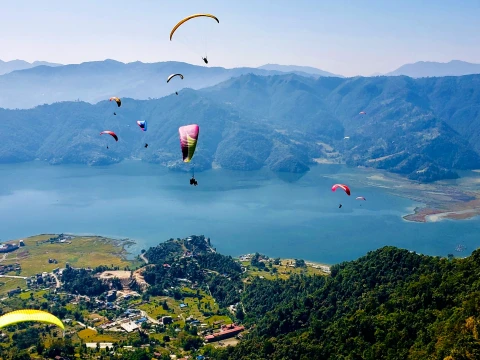
The Kathmandu Pokhara Tour with Family Holidays Nepal is designed for travelers who wish to explore the rich cultural heritage of Kathmandu alongside the serene natural beauty of Pokhara. This 6-day itinerary is perfect for families, solo travelers, and groups who want a balanced experience of history, spirituality, and adventure in Nepal. From ancient temples and bustling markets in Kathmandu to tranquil lakes and panoramic mountain views in Pokhara, this tour offers a complete taste of Nepal in a comfortable, organized way.Starting in Kathmandu, Nepal’s capital, travelers will be immersed in centuries-old traditions and architectural marvels. The city is known for its UNESCO World Heritage Sites, vibrant streets, and rich cultural history. Highlights include the sacred Pashupatinath Temple, the majestic Boudhanath Stupa, and the historic Kathmandu Durbar Square, which showcase the city’s spiritual and artistic heritage. The tour ensures ample time for sightseeing while also allowing visitors to interact with local culture, taste traditional Nepali cuisine, and shop for handicrafts and souvenirs.After exploring Kathmandu, the journey continues with a scenic drive to Pokhara, approximately 6–7 hours away. The route passes through lush hills, terraced fields, and small towns, offering travelers a glimpse of Nepal’s rural life. Pokhara is a city of natural beauty, known for its lakes, caves, waterfalls, and spectacular views of the Himalayas, including the iconic Machapuchare (Fishtail) Mountain. Visitors can enjoy a sunrise view from Sarangkot, take a boat ride on Phewa Lake, and visit Davis Falls, Gupteshwor Cave, and the International Mountain Museum. Pokhara’s relaxed atmosphere is perfect for unwinding and connecting with nature after the bustling streets of Kathmandu.The tour then returns to Kathmandu for the final night before departure, giving travelers one last opportunity to enjoy the city’s charm, shop, or explore hidden gems at their leisure. The itinerary is thoughtfully crafted to balance sightseeing, travel time, and relaxation, making it ideal for families or small groups. Family Holidays Nepal ensures comfortable transportation, knowledgeable guides, and well-planned schedules so travelers can enjoy a stress-free and memorable experience.Kathmandu Durbar Square, Pashupatinath Temple, Boudhanath StupaScenic drive through the Himalayan foothills to PokharaSunrise view from SarangkotBoating on Phewa Lake and lakeside leisureDavis Falls, Gupteshwor Cave, and International Mountain MuseumRelaxed return to Kathmandu for departureThis Kathmandu Pokhara tour offers the perfect combination of Nepal’s rich culture, breathtaking landscapes, and peaceful retreats. With Family Holidays Nepal, every detail is taken care of, ensuring travelers have a memorable journey through the heart of Nepal.KathmanduKathmandu, the vibrant capital city of Nepal, serves as the cultural and economic heart of the country. Nestled in the Kathmandu Valley, this bustling metropolis is a blend of ancient traditions and modern development. Kathmandu is renowned for its rich historical and cultural heritage, which is evident in its myriad of temples, palaces, and traditional architecture. Key attractions include the UNESCO World Heritage Sites of Kathmandu Durbar Square, Swayambhunath Stupa (also known as the Monkey Temple), and the intricately carved pagodas scattered throughout the city. The narrow, winding streets of the old town are filled with bustling bazaars, where visitors can experience the vibrant local culture and shop for traditional crafts and souvenirs.Kathmandu is also a gateway to Nepal’s diverse landscapes and adventure opportunities. Beyond its historical sites, the city offers a lively atmosphere with numerous restaurants, cafes, and shops. The Thamel area, in particular, is known for its vibrant nightlife and bustling markets. The blend of historical significance, cultural richness, and modern conveniences makes Kathmandu a fascinating destination for travelers seeking both cultural immersion and urban experiences.PokharaPokhara, often referred to as the "Gateway to the Himalayas," is a serene city located in western Nepal, renowned for its stunning natural beauty. Situated by the shores of Phewa Lake, Pokhara offers breathtaking views of the Annapurna Mountain Range, including the iconic Machapuchare (Fishtail) Peak. The city's tranquil lakeside area is perfect for leisurely boat rides and relaxing walks, with numerous cafes and restaurants offering a variety of local and international cuisines. Pokhara's landscape is dotted with picturesque waterfalls, lush forests, and charming villages, providing ample opportunities for outdoor activities and exploration.In addition to its natural beauty, Pokhara is a hub for adventure sports. The city offers opportunities for paragliding, trekking, and mountain biking, making it a popular destination for both relaxation and adventure. Key attractions include the World Peace Pagoda, which provides panoramic views of the city and the surrounding mountains, and Devi’s Fall, a stunning waterfall with a unique underground cave. Pokhara’s laid-back atmosphere and diverse range of activities make it an ideal complement to a visit to Kathmandu.Best Time for Kathmandu-Pokhara TourThe best time to visit Kathmandu and Pokhara is during the pre-monsoon (spring) and post-monsoon (autumn) seasons, from March to May and September to November, respectively. During these periods, the weather is generally pleasant, with clear skies and moderate temperatures, making it ideal for sightseeing and outdoor activities. In Kathmandu, temperatures range from 15°C to 25°C (59°F to 77°F), while in Pokhara, the temperatures are slightly warmer, ranging from 20°C to 30°C (68°F to 86°F). These months also offer excellent visibility of the Himalayan peaks, which is especially advantageous for enjoying the scenic beauty of Pokhara.The monsoon season, from June to August, brings heavy rainfall, which can disrupt travel plans and reduce visibility of the mountains. Winter, from December to February, can be quite cold, especially in the evenings and mornings, but it is still a good time to visit if you don’t mind cooler temperatures. Overall, the spring and autumn months provide the most favorable conditions for exploring both Kathmandu and Pokhara, ensuring a comfortable and enjoyable experience.Communication and NetworkIn both Kathmandu and Pokhara, communication and network services are generally reliable. Major Nepali telecom providers, such as Ncell and Nepal Telecom, offer good mobile coverage in urban areas and popular tourist destinations. Visitors can easily use their mobile phones for calls, text messages, and mobile data. Internet access is widely available, with many hotels, cafes, and restaurants offering Wi-Fi. In Kathmandu, the network is typically robust due to the city’s infrastructure, while Pokhara also provides good connectivity, though internet speeds may be slower in more remote areas.For those who require a stable internet connection, it is advisable to check with your accommodation or service provider in advance. While urban centers have reliable communication facilities, more remote areas may experience occasional disruptions. Overall, visitors can expect essential communication services to be accessible during their tour of Kathmandu and Pokhara.Accommodation and FoodAccommodation options in Kathmandu and Pokhara cater to a wide range of preferences and budgets, from luxury hotels and boutique lodges to budget guesthouses and hostels. In Kathmandu, areas such as Thamel and Durbar Square are popular for their central location and proximity to major attractions. Similarly, in Pokhara, the lakeside area offers a variety of accommodation choices with scenic views of Phewa Lake and the surrounding mountains. Many hotels and lodges provide comfortable rooms, modern amenities, and personalized service to ensure a pleasant stay.Food options in both cities are diverse and cater to various tastes. In Kathmandu, you’ll find a mix of traditional Nepali cuisine, including dal bhat (lentil soup with rice), momos (dumplings), and international dishes from around the world. Pokhara offers similar culinary experiences, with lakeside restaurants serving both local specialties and global fare. Dining in both cities provides an opportunity to enjoy flavorful meals made with fresh ingredients while experiencing Nepal’s vibrant food culture. Whether you’re seeking local delicacies or international cuisine, both Kathmandu and Pokhara offer ample choices to satisfy your culinary cravings.Why Choose Us – Family Holidays NepalFamily Holidays Nepal is dedicated to providing an exceptional Kathmandu-Pokhara tour experience, tailored to your specific interests and needs. Our experienced team ensures that every detail of your trip is meticulously planned, from arranging comfortable accommodations and engaging sightseeing activities to coordinating seamless travel logistics between the two cities. We prioritize your comfort, safety, and enjoyment, delivering a well-organized and memorable journey through two of Nepal’s most captivating destinations.By choosing Family Holidays Nepal, you benefit from our extensive local knowledge, commitment to responsible and sustainable tourism, and focus on exceptional service. We work closely with local guides, accommodations, and service providers to enhance your experience and ensure a smooth and enjoyable adventure. Let us help you create unforgettable memories on your Kathmandu-Pokhara tour, offering you a personalized and expertly arranged travel experience in one of the world’s most enchanting regions.
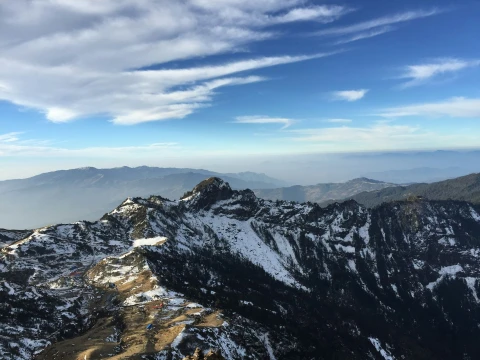
The Kalinchowk Tour and Hike is an extraordinary journey that combines scenic driving, moderate trekking, and a spiritual experience at one of Nepal’s most revered Himalayan temples. Organized by Family Holidays Nepal, this tour offers a perfect blend of adventure and cultural immersion, ideal for families, small groups, and nature lovers. Starting from Kathmandu, the journey takes travelers through picturesque valleys, terraced farmlands, and charming villages, ultimately leading to the remote village of Kuri, situated at an altitude of 3,447 meters. The gradual ascent allows travelers to acclimatize while enjoying breathtaking views of snow-capped peaks and lush landscapes, making it a memorable Himalayan experience.The highlight of this tour is the visit to Kalinchowk Bhagwati Temple, perched at 3,842 meters. This sacred site is not only a spiritual destination but also a vantage point that provides panoramic views of the surrounding Himalayan ranges, including peaks like Gaurishankar, Jugal, and Dorje Lhakpa. The short yet invigorating hike from Kuri to Kalinchowk ensures that travelers experience the serenity of the mountains, crisp alpine air, and the unique local culture of the Dolakha region. The trek is suitable for beginners and families, making it accessible while still offering a genuine trekking experience.Scenic drive from Kathmandu to Charikot (1,554m) through beautiful mountain valleys.Moderate trek to Kuri Village (3,447m) with panoramic views.Visit Kalinchowk Bhagwati Temple (3,842m), a spiritual and cultural landmark.Opportunity to witness stunning Himalayan sunrise and sunset views.Explore the local culture and lifestyle of Dolakha region villages.Short, family-friendly hikes suitable for all age groups.Return journey to Kathmandu with memories of a serene Himalayan adventure.With Family Holidays Nepal, the Kalinchowk Tour and Hike ensures well-organized transportation, experienced guides, and a comfortable journey, making it a perfect escape for nature lovers and adventure seekers looking for a blend of trekking, culture, and spirituality.Kalinchowk Bhagwati TempleKalinchowk Bhagwati Temple, perched at an elevation of approximately 3,842 meters (12,605 feet), is a revered Hindu pilgrimage site located in the Dolakha District of Nepal. The temple is dedicated to Goddess Bhagwati, a manifestation of the divine feminine power. According to local legends and religious beliefs, visiting the temple and seeking the goddess’s blessings can bring prosperity and fulfillment of desires. The temple is not only a spiritual center but also an important cultural landmark, attracting devotees and tourists alike who come to pay their respects and enjoy the serene mountain surroundings.The journey to Kalinchowk Bhagwati Temple offers a unique blend of spiritual experience and natural beauty. The temple area provides panoramic views of the Himalayan range, including glimpses of peaks such as the Gaurishankar and Langtang ranges. The temple complex includes a main shrine with a striking statue of Goddess Bhagwati, as well as smaller shrines and sacred sites that add to the spiritual ambiance of the area. Pilgrims and visitors often partake in rituals and offerings, enhancing their connection with the divine and the tranquil environment.Kathmandu to Kalinchowk Temple DistanceThe distance from Kathmandu to Kalinchowk Bhagwati Temple is approximately 150 kilometers (about 93 miles). The journey typically takes around 6 to 8 hours by road, depending on traffic conditions and the chosen route. The route from Kathmandu to Kalinchowk involves traveling through a combination of winding mountain roads and scenic valleys, offering glimpses of rural Nepalese life and stunning landscapes along the way.Travelers can reach Kalinchowk from Kathmandu by private vehicle or local bus, with options for both direct routes and those incorporating stops for rest and sightseeing. The journey can be an adventure in itself, with picturesque views of the countryside and the Himalayas providing a delightful backdrop. For those looking to streamline their trip, Family Holidays Nepal can arrange comfortable transportation options and provide guidance on the best routes and travel times.Kalinchowk Cable CarThe Kalinchowk Cable Car is one of the most exciting and convenient ways to explore the high-altitude landscapes of Kalinchowk, located in Dolakha District, Nepal. Managed and supported by local authorities with guidance from trekking companies like Family Holidays Nepal, the cable car offers visitors a chance to enjoy breathtaking Himalayan vistas without the strenuous climb. Starting from the base area near Kuri village, the cable car transports travelers directly to the Kalinchowk Bhagwati Temple area at an altitude of 3,842 meters. The ride is short but exhilarating, giving passengers a bird’s-eye view of snow-capped peaks, lush forests, and terraced fields that characterize the region. For those who prefer a more leisurely ascent or want to save energy for exploring the temple and surrounding trails, the cable car is an ideal option.Beyond convenience, the Kalinchowk Cable Car enhances the overall trekking experience by providing unique perspectives of the Himalayan landscape. Passengers can observe distant peaks such as Gaurishankar, Langtang, and Jugal, along with valleys dotted with small villages and prayer flags fluttering in the wind. The ride is smooth, safe, and accessible to all ages, making it a family-friendly adventure. Travelers also get an opportunity to take stunning photographs from above, capturing the dramatic contrast between snow-covered mountains and green valleys below. This combination of comfort, safety, and scenic beauty has made the cable car a popular choice for pilgrims, trekkers, and tourists seeking a memorable Himalayan experience.Key Highlights of Kalinchowk Cable Car – Family Holidays Nepal:Convenient and time-saving transport to Kalinchowk Bhagwati Temple.Panoramic views of snow-capped Himalayan peaks and valleys.Smooth, safe, and accessible ride suitable for all ages.Ideal for families, pilgrims, and casual travelers.Excellent photography and sightseeing opportunities.Reduces physical strain while allowing visitors to experience high-altitude beauty.Enhances trekking tours organized by Family Holidays Nepal with comfort and efficiency.The Kalinchowk Cable Car is more than just a ride—it is an experience that combines adventure, comfort, and unparalleled mountain views, making it an essential highlight of any Family Holidays Nepal tour to Kalinchowk.Best Season to Visit Kalinchowk NepalThe best time to visit Kalinchowk is during the spring (March to May) and autumn (September to November) seasons. These periods offer the most favorable weather conditions, with clear skies, moderate temperatures, and minimal rainfall, making for an enjoyable visit to the temple and the surrounding areas. During these seasons, the views of the Himalayan peaks are typically unobstructed, allowing for spectacular panoramic vistas.Winter (December to February) can also be a good time to visit if you enjoy snowy landscapes and are prepared for colder temperatures. However, heavy snowfall can sometimes make travel challenging, and some facilities may be limited. The monsoon season (June to August) is generally less ideal due to frequent rain and potential landslides, which can make travel difficult and affect visibility. Planning your visit during the optimal seasons ensures a more comfortable and visually rewarding experience.Kalinchowk Tour Package for CouplesFamily Holidays Nepal offers specialized Kalinchowk tour packages designed for couples seeking a romantic and memorable getaway. These packages typically include a blend of spiritual experiences, scenic beauty, and comfortable accommodation. Couples can enjoy a serene pilgrimage to Kalinchowk Bhagwati Temple, with opportunities to seek blessings and reflect in a tranquil environment. The package often features a ride on the Kalinchowk Cable Car, providing stunning aerial views of the Himalayas and surrounding valleys.In addition to temple visits, couples can explore the picturesque Kuri Village and its surroundings, which offer charming spots for relaxation and romantic walks. The package may also include guided tours, private transportation, and personalized services to ensure a seamless and enjoyable experience. Family Holidays Nepal’s tailored packages cater to the preferences of couples, ensuring a special and intimate experience in one of Nepal’s most enchanting destinations.Kalinchowk to Jiri DistanceThe distance from Kalinchowk to Jiri is approximately 130 kilometers (about 81 miles) by road. Jiri is a popular starting point for treks in the Everest region and is known for its scenic beauty and traditional village atmosphere. The journey between Kalinchowk and Jiri can take around 5 to 7 hours, depending on road conditions and travel speed.Travelers making this journey will experience a diverse range of landscapes, from the mountainous terrain around Kalinchowk to the rolling hills and terraced fields near Jiri. The route provides a glimpse into rural Nepalese life and offers opportunities for sightseeing and cultural experiences. Family Holidays Nepal can assist with arranging transportation and providing travel advice to ensure a smooth and enjoyable trip between these two fascinating destinations.Kalinchowk Trek from KathmanduThe Kalinchowk Trek from Kathmandu is a popular trekking route that offers an adventurous and scenic journey to the Kalinchowk Bhagwati Temple. The trek typically begins with a drive from Kathmandu to Kuri Village, which serves as the starting point for the trek. From Kuri Village, trekkers ascend through picturesque landscapes, including lush forests, terraced fields, and traditional villages, en route to the temple.The trek provides a rewarding experience with opportunities to immerse in local culture and enjoy stunning views of the Himalayas. The trek to Kalinchowk is moderate in difficulty, with varying terrain and elevation changes. Trekkers are treated to panoramic vistas, including views of snow-capped peaks and verdant valleys. Family Holidays Nepal offers guided treks with well-planned itineraries to ensure a memorable and safe trekking experience.Kalinchowk Tour from KathmanduA Kalinchowk tour from Kathmandu provides a well-rounded experience of the region, combining travel, exploration, and spiritual enrichment. The tour typically includes transportation from Kathmandu to Kuri Village, where visitors can either hike or take a Cable car to the Kalinchowk Bhagwati Temple. The tour may also incorporate stops at scenic viewpoints and cultural sites along the way.Visitors can enjoy guided tours of the temple, take part in local rituals, and explore the beautiful surroundings. The tour is designed to offer a comprehensive experience of Kalinchowk, highlighting both its spiritual significance and natural beauty. Family Holidays Nepal ensures that all aspects of the tour are carefully arranged to provide a seamless and enjoyable experience, with options for different group sizes and interests.Things to Do During Your Kalinchowk TrekSeek Blessings from Kalinchowk Bhagwati:One of the primary activities during a visit to Kalinchowk is to seek blessings from the Kalinchowk Bhagwati Temple. Visitors can participate in traditional rituals, make offerings, and engage in prayer, enhancing their spiritual experience and connection with the goddess.Enjoy the Panorama of the Himalayas:Kalinchowk provides stunning panoramic views of the Himalayan range. Whether from the temple area or along the trekking route, visitors can enjoy unobstructed vistas of snow-capped peaks, lush valleys, and picturesque landscapes.Kalinchowk Tour and Hike DifficultyThe Kalinchowk tour and hike is generally considered moderate in difficulty. The trek from Kuri Village to the Kalinchowk Bhagwati Temple involves ascending through varying terrain, including forested paths, terraced fields, and steep inclines. While the trek is manageable for those with a reasonable level of fitness, it can be challenging due to the altitude and changing weather conditions.The Cable car option provides a less strenuous alternative for reaching the temple, offering a convenient and scenic ride. For those choosing to trek, proper preparation, including acclimatization and physical conditioning, is recommended. Family Holidays Nepal provides detailed information and support to ensure that trekkers are well-prepared and can enjoy the trek safely and comfortably.Accommodation & Food During Kalinchowk Tour and HikeDuring the Kalinchowk tour and hike, accommodation options vary from basic lodges and guesthouses in Kuri Village to more comfortable stays in nearby areas. The lodges typically offer clean, simple rooms with basic amenities, and some may provide additional services such as hot showers and Wi-Fi.Food options during the trek usually consist of traditional Nepalese cuisine, including dal bhat (lentil soup with rice), momo (dumplings), and other local dishes. Meals are often served at teahouses or lodges along the route, offering a taste of authentic Nepalese flavors. Family Holidays Nepal ensures that accommodation and food arrangements are carefully selected to meet the needs and preferences of travelers, providing a comfortable and enjoyable experience throughout the journey.


 (2)
(2)  100% recommend (0)
 (0)
(0)