

Mount Annapurna, standing at an awe-inspiring 8,091 meters (26,545 feet), is the tenth highest peak in the world and one of Nepal’s most iconic mountains. Located in the north-central part of the country, it is part of the Annapurna Massif, which also includes peaks like Annapurna South, Machapuchhare (Fishtail), and Hiunchuli. The range is renowned not only for its sheer height but also for its breathtaking variety of landscapes, from subtropical lowlands to high alpine zones, making it a paradise for trekkers and nature enthusiasts alike.Annapurna’s rugged terrain, snow-capped peaks, and dramatic cliffs offer a striking contrast with the green valleys and terraced fields below. The massif is considered sacred by local communities, especially Machapuchhare, which remains unclimbed due to religious beliefs. The Annapurna region combines natural splendor with rich cultural heritage, featuring traditional Gurung, Magar, and Thakali villages that preserve centuries-old customs, architecture, and farming practices. This combination of extraordinary natural beauty and cultural richness makes Annapurna a top destination for trekking and adventure tourism.Annapurna Massif includes Annapurna I, Annapurna South, and MachapuchhareSacred and culturally significant mountains for local communitiesOffers dramatic landscapes: snow-capped peaks, terraced valleys, and alpine meadowsIdeal for trekking and high-altitude adventure tourismAnnapurna Base Camp OverviewAnnapurna Base Camp (ABC) sits at 4,130 meters (13,550 feet) and serves as the ultimate goal for trekkers in the Annapurna region. The trek to ABC is celebrated for its diverse terrains, which include rhododendron forests, terraced farmlands, alpine meadows, and glacial valleys. The route passes through quaint villages like Ghandruk, Chhomrong, Bamboo, and Deurali, offering trekkers a glimpse of traditional mountain life. As trekkers approach the base camp, the scenery becomes increasingly dramatic, culminating in a 360-degree panoramic view of towering peaks such as Annapurna I, Machapuchhare, and Hiunchuli.ABC is not only a trekker’s reward but also a hub for climbers preparing for higher ascents. It is an ideal place to soak in the grandeur of the Himalayas, witness stunning sunrises and sunsets, and enjoy the serenity of the mountains. Family Holidays Nepal ensures a well-planned trekking experience with experienced guides who manage acclimatization, safety, and comfort along the way.Highlights of Annapurna Base Camp Trek:Diverse landscapes: forests, terraced fields, and alpine meadowsTraditional mountain villages along the routeStunning 360-degree views of Annapurna, Machapuchhare, and DhaulagiriModerate trekking difficulty suitable for most trekkersGhorepani Poon Hill OverviewGhorepani Poon Hill, standing at 3,210 meters (10,532 feet), is a renowned viewpoint often included in extended Annapurna Base Camp itineraries. It is famous for spectacular sunrise vistas over the Annapurna and Dhaulagiri ranges. The trek to Poon Hill also provides excellent acclimatization for higher altitudes encountered later in the ABC trek.The route to Ghorepani Poon Hill passes through rhododendron forests, offering vibrant colors in spring and dense, peaceful trails in autumn. This trek provides a chance to experience local Gurung and Magar villages, traditional lifestyle, and warm hospitality. Many trekkers find Poon Hill a highlight in itself because of its panoramic views that stretch across some of the highest Himalayan peaks.Key Points:Panoramic sunrise views of Annapurna and DhaulagiriExcellent acclimatization stop before Annapurna Base CampPasses through scenic forests and traditional villagesPopular addition to extended trekking itinerariesBest Experience on the TrekThe Annapurna Base Camp Trek with Family Holidays Nepal offers a mix of adventure, nature, and culture. Walking through terraced fields, rhododendron forests, and charming villages provides a journey through Nepal’s natural and cultural diversity. Reaching ABC is a moment of immense accomplishment, rewarded with unparalleled mountain panoramas.Along the trek, travelers interact with local communities, savor traditional meals like dal bhat, and learn about mountain life. Highlights include Bamboo, Chhomrong, and Jhinu Danda, where natural hot springs provide a perfect relaxation stop. The trek combines moderate physical challenge with maximum scenic reward, making it suitable for most adventurers.Key Points:Scenic trekking through forests, meadows, and villagesCultural interaction with Gurung and Magar communitiesRelaxation at natural hot springs in Jhinu DandaModerate difficulty with high rewardsMajor Attraction PlacesAnnapurna Base Camp: The culmination of the trek, providing a 360-degree view of the Annapurna range and surrounding peaks. The base camp is a perfect spot to appreciate the sheer scale and beauty of the Himalayas.Ghorepani Poon Hill: Often included in extended itineraries, this viewpoint offers stunning sunrise views over the Annapurna and Dhaulagiri ranges, adding an extra dimension to the trekking experience.Mardi Himal Base Camp: An optional detour offering stunning views of Annapurna, Dhaulagiri, and Machapuchare from a different vantage point.Jhinu Danda: Known for its natural hot springs, Jhinu Danda offers a relaxing stop where trekkers can soak and unwind after their journey.Tadapani: A scenic village with beautiful views of Annapurna South and Machapuchare, serving as a key stop on the trek.Best Time for Annapurna Base Camp TrekThe best times to explore on the Annapurna Base Camp Trek are during the pre-monsoon (spring) season from late March to early June and the post-monsoon (autumn) season from late September to early November. During these periods, the weather is generally stable with clear skies, moderate temperatures, and minimal rainfall. Spring brings blooming rhododendrons and mild temperatures, while autumn provides crisp air and excellent visibility. Both seasons offer optimal trekking conditions and breathtaking views.Level of Difficulty – Annapurna Base Camp TrekThe Annapurna Base Camp Trek is considered a moderate trek, suitable for trekkers with a reasonable level of fitness. The trek involves walking at high altitudes but does not require technical climbing skills. The highest point of the trek is Annapurna Base Camp at 4,130 meters (13,550 feet), where trekkers may experience mild altitude-related symptoms. The trek's duration and elevation gain are manageable for most trekkers, making it an ideal choice for those looking for a rewarding high-altitude adventure without the extreme challenges of other treks.Accommodation and FoodFamily Holidays Nepal ensures comfortable accommodation throughout the Annapurna Base Camp Trek in well-maintained teahouses and lodges. These lodges provide essential amenities such as clean beds, shared bathrooms, and dining areas. The food served includes a variety of Nepali and international dishes, including dal bhat (a traditional Nepali meal), soups, noodles, and fresh vegetables. Family Holidays Nepal prioritizes hygiene and dietary preferences, ensuring that trekkers enjoy nutritious and well-prepared meals throughout their journey.Communication and NetworkCommunication options during the trek may be limited. Many teahouses offer Wi-Fi services for a fee, although connectivity can be inconsistent. For essential communication and emergencies, Family Holidays Nepal provides satellite phones with their guides to ensure that trekkers can stay in touch with the base team and access support if needed. The guides are experienced in managing communication and keeping trekkers informed about weather conditions and trek progress.Why Choose Family Holidays NepalChoosing Family Holidays Nepal for your Annapurna Base Camp Trek guarantees a high level of service, professionalism, and personalized care. Their team of experienced guides and support staff is dedicated to providing a safe, enjoyable, and culturally enriching experience. Family Holidays Nepal’s commitment to responsible tourism ensures that your trek benefits local communities and minimizes environmental impact. With meticulous planning, expert guidance, and a focus on creating memorable experiences, Family Holidays Nepal is your ideal partner for this spectacular Himalayan adventure.The Annapurna Base Camp Trek with Family Holidays Nepal offers an exceptional opportunity to experience the majestic beauty of the Annapurna region, combining high-altitude adventure, stunning landscapes, and cultural immersion into a rewarding journey. Whether you're a seasoned trekker or a newcomer seeking a memorable experience, this trek provides an accessible and enriching exploration of one of Nepal’s most renowned trekking destinations.

Mount Langtang, rising majestically to 7,227 meters (23,711 feet), is one of the most iconic peaks in the Langtang Himal range of Nepal. Located in the central Himalayas, it forms part of a stunning mountain panorama that attracts trekkers and mountaineers seeking adventure away from the crowded trails of Everest or Annapurna. The peak is surrounded by rugged ridges, glacial valleys, and pristine alpine landscapes, offering breathtaking views at every turn. Its snow-capped summits reflect in crystal-clear streams and lakes, creating postcard-perfect scenery.Though challenging for climbers, Mount Langtang also enriches the trekking experience for those on the valley routes, as it dominates the skyline and provides an inspiring backdrop for photography and nature observation. The mountain is also culturally significant, as the Langtang region is home to the Tamang and Sherpa communities, whose villages lie in its shadow. Their monasteries, mani walls, and prayer flags add spiritual depth to the trekking journey, blending natural grandeur with rich Himalayan heritage.Snow-capped peak at 7,227 metersDramatic glacial valleys and alpine sceneryRich cultural heritage of Tamang and Sherpa villagesExcellent photographic opportunitiesLangtang Valley TrekThe Langtang Valley Trek is a mesmerizing journey offered by Family Holidays Nepal, taking travelers through the serene and relatively untouched landscapes of the Langtang region. Unlike the heavily trafficked Everest or Annapurna trails, this trek provides an intimate Himalayan experience, featuring lush forests of rhododendron and pine, cascading waterfalls, and peaceful rivers. The trail passes through traditional Tibetan-influenced villages such as Langtang and Kyanjin Gompa, where trekkers can observe local customs, taste authentic Nepali cuisine, and explore ancient monasteries.At Kyanjin Gompa (3,810 meters / 12,496 feet), the trek culminates in panoramic views of surrounding peaks, glaciers, and moraines. Trekkers can also climb nearby Tserko Ri (5,000 meters / 16,404 feet) for a higher vantage point, making it an excellent acclimatization and photography opportunity. The route also emphasizes wildlife spotting, with possibilities of seeing red pandas, Himalayan monkeys, and diverse bird species. The trek is moderate in difficulty, allowing both experienced and beginner trekkers to enjoy the adventure with proper preparation.Highlights:Trek duration: 7–10 days with moderate difficultyStunning alpine scenery, waterfalls, and glacial viewsAuthentic Tamang culture and local village experiencesAcclimatization at Kyanjin Gompa and optional Tserko Ri climbOpportunities to see rare Himalayan wildlifeThe Langtang Valley Trek with Family Holidays Nepal is perfect for families, solo travelers, and adventure enthusiasts seeking an authentic, scenic, and culturally rich Himalayan experience.Kyanjin GompaKyanjin Gompa is a serene and significant destination on the Langtang Valley Trek, located at an altitude of 3,870 meters (12,696 feet). This small village serves as the trekking base and features a beautiful monastery, traditional Tibetan-style houses, and stunning views of the surrounding peaks, including Langtang Lirung. Kyanjin Gompa is an excellent spot for acclimatization and exploration, providing trekkers with opportunities to experience local culture and enjoy breathtaking mountain vistas.Tserko Ri or Kyanjin-RiTserko Ri and Kyanjin-Ri are two popular viewpoints near Kyanjin Gompa that offer spectacular panoramic views of the Langtang range. Tserko Ri, located at 5,000 meters (16,404 feet), is the higher of the two and provides a dramatic perspective of the surrounding peaks and glaciers. Kyanjin-Ri, slightly lower at around 4,773 meters (15,658 feet), also offers impressive views and is often chosen by trekkers for its accessibility. Both viewpoints provide an unforgettable experience and are highlights of the Langtang Valley Trek.Best ExperienceThe Langtang Valley Trek offers a rich and rewarding experience, combining stunning natural beauty with a unique cultural immersion. Trekkers will encounter lush forests, serene alpine meadows, and rugged glacial landscapes, all while exploring traditional Tibetan-influenced villages and monasteries. The trek’s moderate difficulty and relatively short duration make it accessible for those seeking a memorable Himalayan adventure without the extensive time commitment required for longer treks. The journey to Kyanjin Gompa, with its stunning mountain vistas and tranquil atmosphere, provides an ideal setting for both relaxation and exploration.Major Attraction PlacesKyanjin Gompa: The central village of the trek, featuring a historic monastery and stunning views of Langtang Lirung and surrounding peaks. It serves as the main base for acclimatization and exploration.Tserko Ri: A high-altitude viewpoint offering panoramic views of the Langtang range and glaciers. The trek to Tserko Ri is challenging but rewarding, providing breathtaking vistas.Kyanjin-Ri: Another popular viewpoint near Kyanjin Gompa, offering excellent views of the Langtang range and surrounding peaks. It is a slightly easier alternative to Tserko Ri.Langtang Glacier: Located near Kyanjin Gompa, this glacier provides a dramatic and scenic highlight of the trek, showcasing the region’s rugged and pristine landscapes.Local Villages: The trek passes through several traditional Tibetan-influenced villages, providing opportunities to experience local culture, architecture, and hospitality.Best Time for Langtang Valley TrekThe best times to undertake the Langtang Valley Trek are during the pre-monsoon (spring) season from late March to early June and the post-monsoon (autumn) season from late September to early November. During these periods, the weather is generally stable, with clear skies and moderate temperatures, providing optimal trekking conditions and excellent visibility. Spring brings blooming rhododendrons and mild temperatures, while autumn offers crisp, clear air and vibrant views of the mountains.Level of Difficulty – Langtang Valley TrekThe Langtang Valley Trek is considered a moderate trek, suitable for trekkers with a reasonable level of fitness. The trek involves walking at high altitudes, with the highest point being Tserko Ri at 5,000 meters (16,404 feet). While the trek does not require technical climbing skills, proper acclimatization and physical preparation are important for a successful journey. The trek’s moderate difficulty and relatively short duration make it accessible to those with some trekking experience and a good level of fitness.Accommodation and FoodFamily Holidays Nepal ensures comfortable accommodation throughout the Langtang Valley Trek in well-maintained teahouses and lodges. These accommodations provide essential amenities such as clean beds, shared bathrooms, and dining areas. The food served includes a variety of Nepali and international dishes, including dal bhat (a traditional Nepali meal), soups, noodles, and fresh vegetables. Family Holidays Nepal prioritizes hygiene and dietary preferences, ensuring that trekkers enjoy nutritious and well-prepared meals throughout their journey.Communication and NetworkCommunication options during the trek may be limited. Many teahouses offer Wi-Fi services for a fee, although connectivity can be inconsistent. For essential communication and emergencies, Family Holidays Nepal provides satellite phones with their guides to ensure that trekkers can stay in touch with the base team and access support if needed. The guides are experienced in managing communication and keeping trekkers informed about weather conditions and trek progress.Why Choose Family Holidays NepalChoosing Family Holidays Nepal for your Langtang Valley Trek guarantees a high level of service, expertise, and personalized care. Their team of experienced guides and support staff is dedicated to providing a safe, enjoyable, and culturally enriching experience. Family Holidays Nepal’s commitment to responsible tourism ensures that your trek benefits local communities and minimizes environmental impact. With meticulous planning, expert guidance, and a focus on creating memorable experiences, Family Holidays Nepal is your ideal partner for this remarkable Himalayan adventure.The Langtang Valley Trek with Family Holidays Nepal offers a unique opportunity to explore the breathtaking beauty and cultural richness of the Langtang region. Combining lush landscapes, stunning mountain views, and a glimpse into traditional Tibetan-influenced culture, this trek provides an accessible and rewarding adventure for trekkers seeking an unforgettable experience in Nepal.
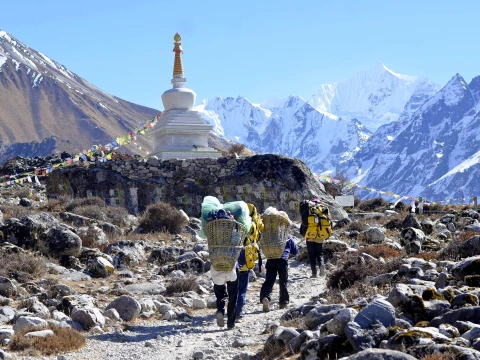
A Himalayan Journey with a PurposeThe Langtang Relief & Recovery Trek combines a beautiful Himalayan trekking experience with meaningful support for communities recovering from recent disaster impacts in Rasuwa.Travellers will trek with local guides and porters, stay in locally operated lodges, purchase local services and contribute directly to a Community Recovery Fund of USD 100 per participant.Please note: The final route and departure date will be confirmed only after the latest safety, road and trail assessment.


 (2)
(2)  100% recommend (0)
 (0)
(0)